
Malaysia International Jewellery Fair
The Largest & Only Jewellery Exhibition in Malaysia
15 - 18 Jan 2027
26 - 29 June 2027
Kuala Lumpur Convention Centre
Malaysia International Jewellery Fair
The Largest & Only Jewellery Exhibition in Malaysia
Lab-grown Diamond vs Natural Diamond: Which One Do You Prefer?
Natural Diamonds Are Authentic, But Are Lab-Grown the Future?
By Catherine, 8 Jan 2025
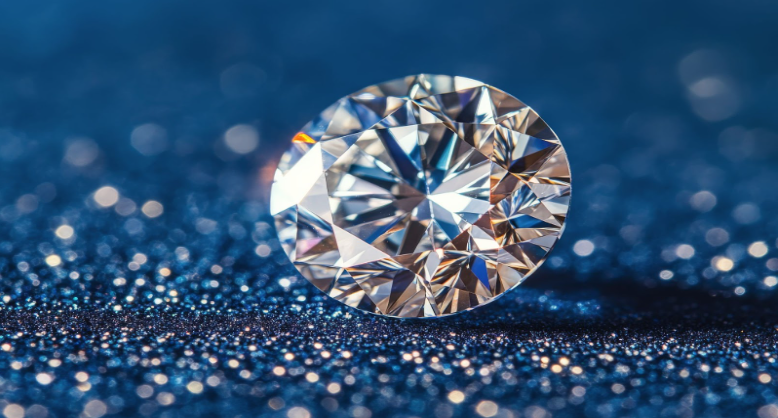
Introduction: Clearing Misconceptions
Lately, there’s been a lot of buzz about lab-grown diamonds versus natural ones. Many people prefer natural diamonds because they think lab-grown ones are “fake” or just artificially made—and honestly, I used to feel the same way!
When I first heard about lab-grown diamonds, my initial reaction was, “Wait, fake diamonds are a thing now too?!”
But then I did some digging, and guess what? I was so wrong! Lab-grown diamonds aren’t what I thought they were, and the facts really surprised me. So, let me share what I’ve learned about lab-grown diamonds and how they’re actually different from natural ones.
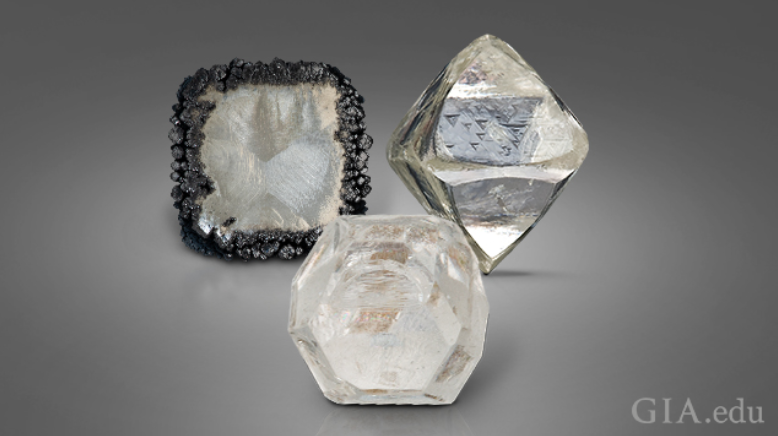
Laboratory-grown Chemical Vapor Deposition (CVD) rough diamond (left), laboratory-grown High Pressure High Temperature (HPHT) rough diamond (middle) and natural rough diamond (right)
Natural Diamonds
Where Are They From?
Natural diamonds were formed deep within the earth’s surface more than a billion years ago under extreme temperatures (more than 1150ºC) and high pressure (45,000 times greater than at sea level). These natural diamonds remained deep within the earth for hundreds of millions of years until volcanic activity and magma transported them upwards toward the earth’s surface.
Most diamonds are found in kimberlite pipes, which are vertical rock formations that are remnants of ancient volcanoes.
Lab-Grown Diamonds
Where are they from?
Man-made diamonds suitable for industrial use were first produced in a laboratory in the 1950s. While gem-quality diamonds were produced in a laboratory for the first time in 1971, it was not until the mid-2010s that colorless laboratory-grown diamonds entered the gem and jewelry market in commercial quantities.
A lab grown diamond is one that has been manufactured in a controlled laboratory environment. Using the popular methods of a lab grown diamond is one that has been manufactured in a controlled laboratory environment. There is two popular methods to create diamond, which are
Chemical Vapor Deposition (CVD) or High Pressure High Temperature (HPHT), where scientists can now create diamonds that optically look like earth-mined diamonds, contain the same chemical and physical attributes and even receive certification through the Gemological Institute of America (GIA).
Methods of Creation
- High Pressure High Temperature (HPHT): Mimics the high pressure and temperature conditions that form natural diamonds in the Earth, producing distinctively shaped crystals.
- Chemical Vapor Deposition (CVD): Breaks down carbon-rich gas molecules, such as methane, depositing carbon atoms on diamond seeds to produce a square-shaped, tabular crystal.
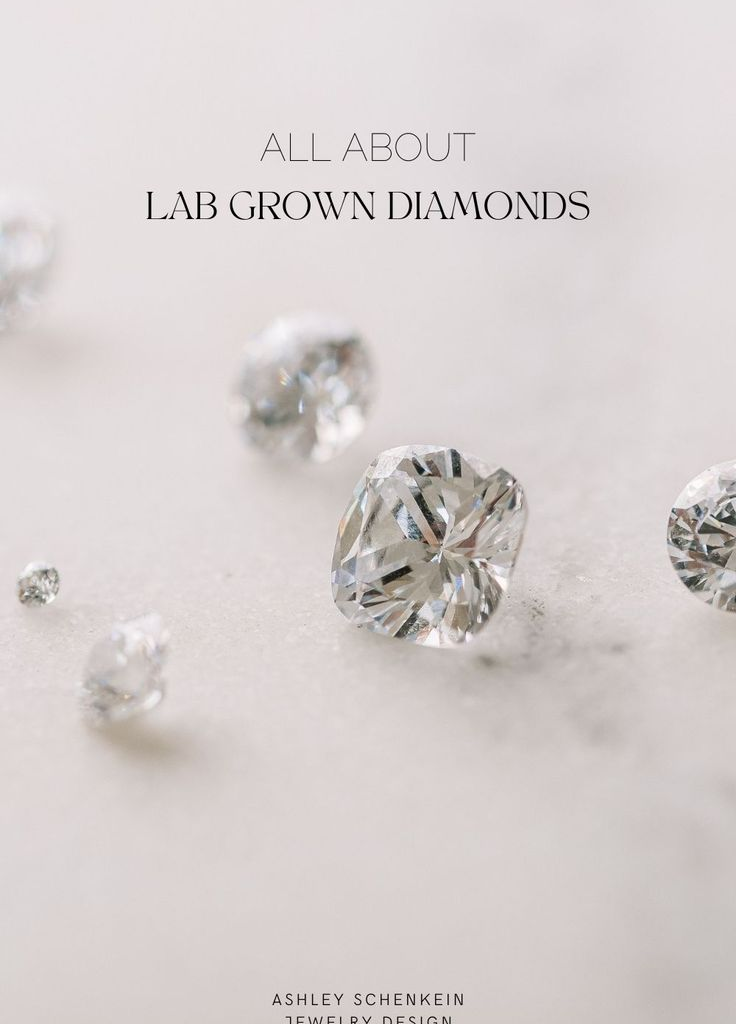
Are Lab-Grown Diamonds Real?
They are not fakes, but they are not natural either. Their only difference is origin: lab created diamonds are grown in laboratory settings, while natural diamonds form deep in the Earth. Chemically, physically, and optically, lab diamonds are identical to natural diamonds, with the same hardness, brilliance, and fire.
A common misconception is that lab-created diamonds lack certain qualities of natural diamonds, but they are indistinguishable—only experts using advanced laboratory equipment can detect subtle differences in their growth patterns.
Lab-Grown vs. Natural Diamond
Lab-grown diamonds are not fake, but they are not natural either. Their only difference is origin: lab-created diamonds are grown in laboratory settings, while natural diamonds form deep in the Earth. Chemically, physically, and optically, lab diamonds are identical to natural diamonds, with the same hardness, brilliance, and fire.
A common misconception is that lab-created diamonds lack certain qualities of natural diamonds. However, they are indistinguishable to the naked eye—only experts using advanced laboratory equipment can detect subtle differences in their growth patterns.
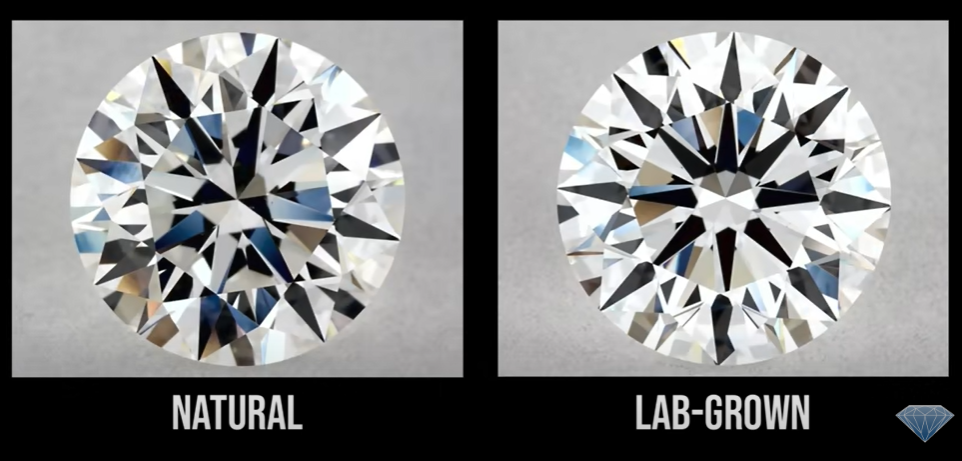
Natural Diamond vs Lab-Grown Diamond
Source: youtube LabDiamondsReview
Lab-Grown vs. Natural Diamonds: Key Comparisons
Advice for Buyers
If you want to buy lab-grown diamonds, it’s essential to look for high-quality options accompanied by a grading certificate. Both lab-grown and natural diamonds are graded to the same specifications by independent laboratories like the International Gemological Institute (IGI) and Gemological Institute of America (GIA).
However, it’s worth noting that the resale market for natural and lab-grown diamonds differs. Natural diamonds benefit from decades of stable pricing history and trade-in options, while lab-grown diamonds do not yet have a standardized resale market.
If you’re looking for a stunning, cost-effective diamond for personal use, lab-grown diamonds are an excellent choice. But if long-term value and resale potential matter to you, a natural diamond might be the better option.
Tips for Sellers
- ● Educate Customers: Clearly explain the differences between lab-grown and natural diamonds, including their origins, price, and resale value.
- ● Transparency: Adhere to Federal Trade Commission (FTC) rules. Be upfront that lab-grown diamonds are not mined and avoid unverified claims of sustainability.
- ● Show Both Options: Offer lab-grown and natural diamonds side by side, ensuring customers can make informed decisions.
- ● Define Trade-In Policies: Clearly state that trade-in values differ between lab-grown and natural diamonds to avoid future misunderstandings.
Final Thoughts: Which One Should You Choose?

Whether choosing a mined diamond or a lab-grown diamond, the end result should be the same: you should love your diamond. By determining your priorities and viewing a variety of diamonds in person, you can choose a piece that will delight you year after year.
For business owners, the key is transparency and education. Providing clear information builds trust and ensures your customers leave satisfied, whether they choose a lab-grown or natural diamond.
Want to know more about lab-grown diamonds and natural diamonds? Visit us at the Malaysia International Jewellery Fair (MIJF) on 27 – 30 June 2025! Explore this renowned jewellery fair in the Southeast Asia region, featuring fabulous collections from shimmering diamonds to dreamy gemstones. Stay tuned for more updates!
#MIJF #MIJF2025 #MalaysiaInternationalJewelleryFair #KualaLumpur #Diamond #Labgrowndiamond #real #fake #naturaldiamond